
READINGS IN EARLY MORMON HISTORY
(Newspapers of Utah)

Misc. Utah Newspapers
1900-2010 Articles
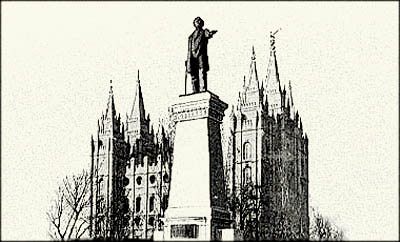
"There stands Brigham like a bird on a perch.
With his hand to the bank, his back to the church"
(old Utah/Idaho "jack Mormon" folk rhyme)
1850-1856 | 1857-1865 | 1866-1899 | 1900-2010
1900-1909
SLH Feb 23 1900 | DEN May 21 1900 | SLH Feb 05 1901 | SLH Apr 17 1901 | DEN Jul 05 1902
DEN Sep 27 1902 | DEN Dec 19 1903 | DEN Sep 10 1904 | DEN Sep 24 1904 | DEN Jul 29 1905
DNs Jul 31 1905 | DEN Aug 12 1905 | DEN Dec 01 1906 | DEN Mar 06 1907 | DEN Mar 16 1907
DEN Dec 14 1907 | OgStd Mar 13 1909 | DEN Mar 20 1909 | EveTel Aug 11 1909 | DEN Dec 08 1909
1910-1939
DEN Jan 29 1910 | HerRp Feb 01 1910 | DEN Feb 21 1910 | ProgR May 13 1910 | DEN Dec 13 1910
ProgR Apr 12 1912 | HerRp Dec 30 1912 | DEN Dec 20 1913 | OgStd Jul 08 1919 | BEN Jun 30 1925
DEN Jul 15 1933 | DEN Apr 28 1934 | DEN Aug 31 1935 | DEN Jul 18 1936 | DEN Nov 14 1936
DEN Jun 12 1937
1940-1999
DN Aug 02 1941 | DN Jul 08 1944 | DN Jul 29 1944 | DN Oct 26 1946 | DN Mar 16 1949
DN Jul 07 1956 | DN Sep 11 1965 | DN Aug 20 1977 | DN May 12 1985 | DN Oct 16 2008
DN Jan 22 2009 | DN Jun 04 2009 | DN Mar 03 2010
Some off-site Deseret News articles:
May 26 '00 | July 19 '00 | Mar 23 '01 | Apr 10 '01 | May 14 '01
June 19 '01 | Feb 24 '02 | May 24 '02 | Apr 05 '04 | Aug 25 '05
Mar 28 '08 | Aug 25 '34 | Nov 14 '36 | Jun 12 '37 | May 11 '46
Old Newspaper Articles Index | Salt Lake Tribune
 Vol. XXIX. Salt Lake City, Utah, Friday, February 23, 1900. No. 265.
PLAN TO AMALGAMATE
It is reported that amalgamation of the factions of the original Church of Jesus Christ of Latter-day Saints has been proposed by emissaries of the Missouri contingent. If effected it means the bringing together of the Josephites or reorganized church, the Hedrickites and the main body, commonly called Mormons. |
 T R U T H A N D L I B E R T Y. Vol. L. Salt Lake City, Utah, Monday, May 21, 1900. No. 156.
JOHN W. RIGDON IN SALT LAKE.
John W. Rigdon, a son of Sidney Rigdon, once the first counselor to the Prophet Joseph Smith, as has been announced in the "News," is in Salt Lake City visiting old friends and acquaintances. He was called on by a representative of the "News" and in the course of a conversation stated that a morning paper had not quoted him correctly in some portions of the interview that appeared this morning. In regard to his father's conversion to the "Mormon" Church, and his first knowledge of the Book of Mormon, he stated that he thought Oliver Cowdery was the man who brought the book to his father, but that Parley P. Pratt was with him at the time. Mr. Rigdon stated that he went to his father just before the latter's death, and told him that if he knew anything regarding the coming forth of the Book of Mormon, that had not been told, he owed it as a duty to himself and his family to tell it. The father replied that he had but one story to tell, and that was the story told him by the Prophet Joseph Smith, that the records from which that book was taken were engraved on gold plates, and the father then testified to his son that Joseph Smith was a prophet of God, and that an angel handed him the plates from which was taken the Book of Mormon. "Do you believe that, Mr. Rigdon?" "Yes sir, I believe every word of it. For a long time I was skeptical about it, but now I believe every word my father told me and my heart is with the Mormon people. So was my father's, he would never permit a man to speak disrespectfully of the Church in his presence. |
|
Vol. XXX. Salt Lake City, Utah, Tuesday, February 5, 1901. No. 226.
ORIGINAL DEED
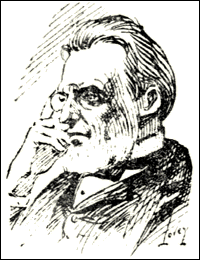
George A. Crofutt of Granger Wyo., arrived in Salt Lake yesterday from New York to enter into negotiations with the authorities of the Mormon church whereby the church may come into possession of a relic that is of no little interest to all Latter-day Saints. This is the original deed to that property in Independuce, Mo., which is known as the "center stake of Zion," and at which place Joseph Smith prophesied that all Latter-day Saints would some time assemble and build a temple. The Mormons still hold that this prophecy will come to pass when the time is ripe and that when the proper time comes the Saints will go there and build their temple. |
|
Vol. XXX. Salt Lake City, Utah, Wednesday, April 17, 1901. No. 297.
Controversy Over Deed to
The attempt of George A. Crofutt in this city last February to sell the authorities of the Mormon church the original deed to the "Center Stake of Zion" in Independence, Mo., has stirred up controversy that bids fair to bring about some interesting disclosures. |
|
T R U T H A N D L I B E R T Y. Vol. LII. Salt Lake City, Utah, Saturday, July 5, 1902. No. 196.
PEREGRlNATIONS AND COGITATIONS
I now continue my account (from May 18) of the doctrinal teachings of the "Mormons," or the Church of Jesus Christ of Latter-day Saints, as they prefer to be called; or as I shall initial it hereafter for the sake of brevity the L.D.S. Church... |
|
T R U T H A N D L I B E R T Y. Vol. LII. Salt Lake City, Utah, Saturday, September 27, 1902. No. 268.
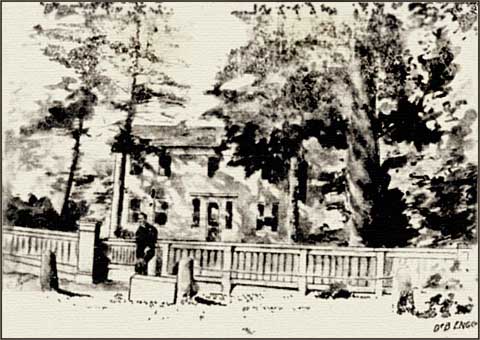
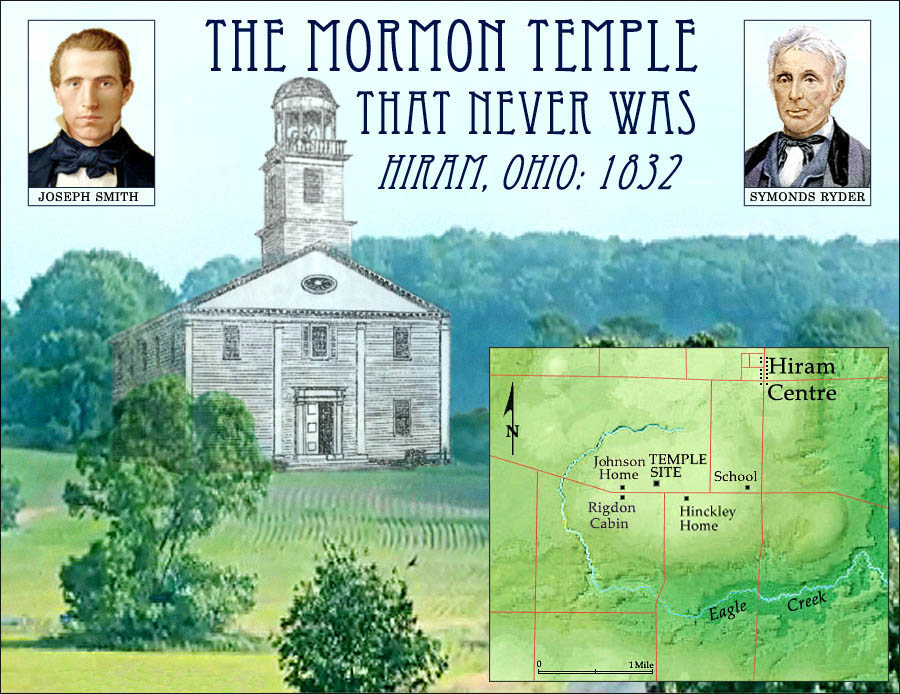
FIGURES IN EARLY CHURCH HISTORY. Something of Hiram, the Beautiful, Where Lived the Prophet Joseph Smith During one if the Most Eventful Periods in His Career -- In this Northern Ohio Hamlet He Revised the Bible, Received Glorious Revelations and Was Brutally Persecuted by a Mob.Hiram, Sept. 18. -- Beautiful for situation is Hiram, one of the many incorporated hamlets of northern Ohio. I was about to say that "she," meaning Hiram, sits a queen of hamlets in the beautiful hill country of Portage county, when I happened to remember that a feminine pronoun could not consistently stand for the word "Hiram." And yet one can never get his own consent to speak of a town as "he," any more than one can get a sailor to speak of a ship as "he;" though why, no philosopher nor sailor, nor the present writer can say; but so it is. Barred then by consistency on one hand, from alluding to Hiram as "she," and on the other hand barred by custom from referring to a town as "he," I can only say, in commonest prose, that the "hamlet" of Hiram is beautifully situated in the rolling hill country of northern Ohio. And it is beautiful, that hill country! I know the mountains -- and I love them! I know the plains -- and I marvel at their extent -- but could never love them -- I hate dead levels! Give me change, cries out my soul -- give me change! The valleys may have their shadows -- deep, gloomy, perhaps awful; but the hill tops have their sunshine, their commanding views, their sun-lit inspirations; and I'll endure the shadows, however deep, if only as reward I may have the hill-tops and the sunshine now and then. Well, in this rolling country you get diversity of landscape; alternating hills and valleys; alternating farms and woodlands, thriving cities and prosperous country -- here in the grand old state of Ohio. |
|
T R U T H A N D L I B E R T Y. Vol. LIII. Salt Lake City, Utah, Saturday, December 19, 1903. No. ?
"UNKNOWN'S" LAST ATTACK ON THE
Editor Tribune: -- In reply to my article in The Tribune of Nov. 22, pointing out, in response to his public challenge, some of the great difficulties the way of accepting Nephi as an ancient prophet of God, and the Book of Mormon as an ancient revelation from God, Elder Roberts begins by finding fault with me... |
|
T R U T H A N D L I B E R T Y. Vol. 54. Salt Lake City, Utah, Saturday, September 10, 1904. No. ?
WASTE PLACES OF ZION
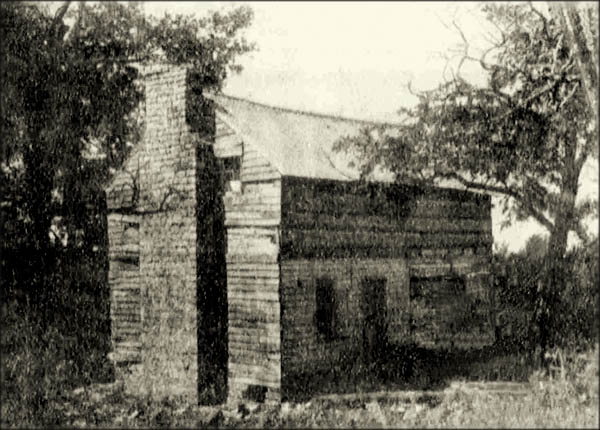
Caldwell County, Mo., Aug. 23. -- Four miles north of Gallatin, the county seat of Daviess county, and some 65 miles northeast of Kansas City, in the state of Missouri, is the site of the early settlement of the Saints known as Asami-ondi-Ahman. Here a stake of Zion was organized in the summer of 1838, with John Smith, uncle of the Prophet, as president, and Reynolds Cahoon and Lyman Wight as counselors. Today nothing remains but the name and a portion of the home of Lyman Wight to mark the spot where once the Saints gathered in humble devotion to their God, amid the relentless persecutions of their enemies. But it is not from the fact alone that a stake of Zion once flourished here, nor that many of the important councils of the Church were held here during these troubleous rimes that Adam-ondi-Ahman is sacred to the Saints today. The greatest reason is that it was in this land that our father Adam dwelt. Here he offered sacrifice and worshiped God; and it was in this place that he gathered his children around him and blessed them with a father's blessing three years before his death, and prophesied, on that occasion, what should befall his posterity unto the latest generations. Moreover, this is the place where the Ancient of Days shall sit when he comes to visit his people as a Prince and Ruler over them forever. For these reasons this is holy ground unto the Latter-day Saints. |
|
T R U T H A N D L I B E R T Y. Vol. 54. Salt Lake City, Utah, Saturday, September 24, 1904. No. ?
CLINCHING EVIDENCE.
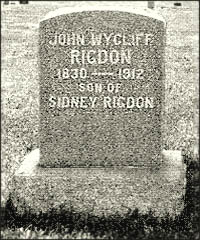
We give place on another page of the "News" today to a letter from New York about the baptism of the only surviving son of the late Sidney Rigdon, the once celebrated associate of the Prophet Joseph Smith. We draw attention to it as one more bit of corroborative evidence against the story, still repeated by the ministerial enemies of the Church, that Sidney Rigdon was responsible for the Book of Mormon, having adapted it from a romance called "The Manuscript Found," written by one Solomon Spaulding. |
|
T R U T H A N D L I B E R T Y. Vol. 56. Salt Lake City, Utah, Saturday, July 29, 1905. No. ?
THE RIGHT OF SUCCESSION. We publish today in another part of this paper a statement made under oath by John W. Rigdon, the son of Sidney Rigdon, who was at one time a counselor to the Prophet Joseph Smith, and was held in high esteem as a theological speaker and writer of great ability. He was falsely charged with being a party to the manipulation of "The Manuscript Found," by Solomon Spaulding, and its fabrication into the Book of Mormon. The stupid story found its way into numerous anti-"Mormon" publications, and notwithstanding its complete refutation, leaving not a shadow of doubt as to its falsehood, is still proclaimed from numerous sectarian pulpits and repeated in newspaper articles and religious pamphlets. |
No. ? Salt Lake City, Utah, Monday, July 31, 1905. Vol. ?
AFFIDAVIT OF JOHN W. RIGDON. We publish today in another part of this paper a statement made under oath by John W. Rigdon, the son of Sidney Rigdon, who was at one time a counselor to the Prophet Joseph Smith, and was held in high esteem as a theological speaker and writer of great ability. He was falsely charged with being a party to the manipulation of The Manuscript Found of Solomon Spaulding, and its fabrication into the Book of Mormon. The stupid story found its way into numerous anti-'Mormon' publications, and notwithstanding its complete refutation, leaving not a shadow of doubt as to its falsehood, is still proclaimed from numerous sectarian pulpits and repeated in newspaper articles and religious pamphlets. The affidavit which we publish bears directly on this matter, and also on a story which has about as much foundation as the Spaulding romance, to the effect that Joseph Smith, the Prophet, ordained and appointed his son Joseph to succeed him as President and Prophet of the Church of Jesus Christ of Latter-day Saints. When the promulgators of this idle tale are pressed for proofs, and also for a statement of the time and place when the alleged incident occurred, the answer is that it was at the time when the Prophet Joseph was incarcerated in Liberty jail, Missouri. There were other "Mormon" prisoners with him, and none of them has ever confirmed the story, but all have denied it so far as their knowledge extended. Now comes John W. Rigdon and gives most positive evidence explosive of the tale that has been told, and clears away the smoke and fog of the falsehood that surrounded it on its inception. Read Mr. Rigdon's statement. It will be found thorough, direct and satisfactory. This gives occasion for some remarks on the principle involved in the succession to the President of the Church, as revealed through the Prophet Joseph and established in the Church of Jesus Christ of Latter-day Saints.
JOHN W. RIGDON.
Sworn to before me this 28th day of July, 1905.
{ss} JAMES JACK, Notary Public. Note 1: The exact title, along with the precise editor's introduction, for the above affidavit remains undetermined. The affidavit was first published in the Deseret News of July 29, 1905 and from there was reprinted by various other periodicals. In 1905 the Saints Herald, Millennial Star, and the Elder's Journal all reproduced the affidavit exactly as it appeared in the July 29th Deseret News. However, in September of that year the Elder's Journal published additional testimony (from Elder Orange Wight) in confirmation of "John W. Rigdon's Testimony," and Apostle Joseph F. Smith shortly thereafter published both the additional affirmation and a lengthier version of John's own words, transcribed on pages 81-85 of his Blood Atonement and the Origin of Plural Marriage. The sections of additional text supplied by Apostle Smith are colored blue in the above transcript. The text of nested 1844 document copies, along with some brief insertions by Apostle Smith, are shown in reduced size. Note 2: For the text of two related interviews with John W. Rigdon, see the Salt Lake Tribune of May 20, 1900 and the Deseret Evening News of May 21, 1900. |
|
T R U T H A N D L I B E R T Y. Vol. 56. Salt Lake City, Utah, Saturday, August 12, 1905. No. ?
FURTHER TESTIMONY.
|
|
T R U T H A N D L I B E R T Y. Vol. LV. Salt Lake City, Utah, Saturday, December 1, 1906. No. ?
RESPONSIBILITY OF
... |
|
T R U T H A N D L I B E R T Y. Vol. 56. Salt Lake City, Utah, Wednesday, March 6, 1907. No. ?
RETRIBUTION. Justice is slow but sure. This truth is again illustrated in the fate of many of the men who were responsible for the disgrace and torture of Captain Dreyfus.... A similar fate has overtaken many of those who were prominent in the acts of violence by which the Latter-day Saints in the early days of the Church were slain or driven into exile. According to some notes on the subject contained in the Historical Record published by Andrew Jensen, Dennison a doctor who assisted to mob the Prophet Joseph in Hirum Ohio, in 1832, died in the penitentiary, and Head another of the assassins the Prophet and his brother Hyrum, lived in torment of conscience ever afterwards. He frequently declared that he saw the two martyrs before him. Of the participants in the massacre at Haun's mill, it is known that many led a life of misery. Some died in disgrace and shame. Some were smitten with terrible diseases and others were assassinated. The colonel who commanded the mob at the massacre was shot in the street one evening. He died the next day in great agony. Another leader of that mob probably drank himself to death. His aged mother also became a drunkard and died in abject poverty. |
|
T R U T H A N D L I B E R T Y. Vol. 56. Salt Lake City, Utah, Saturday, March 16, 1907. No. ?
The Fate of Many Mobocrats. Historian's Office, Salt Lake City, March, 1907. -- Editor Deseret Evening News: |
|
T R U T H A N D L I B E R T Y. Vol. 56. Salt Lake City, Utah, Saturday, December 14, 1907. No. ?
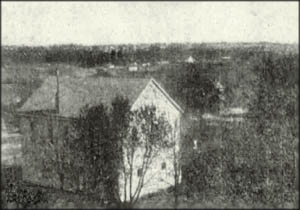
Latter-day Saints in all the world feel a strong and peculiar interest in Jackson county, on the western border of the state of Missouri, chiefly for the reason that it embraces the site on which they believe will yet be built the city of Zion. All who are welI informed concerning the early history of the Church know that the town of Independence in this county was designed [sic -designated?] by revelation as the gathering place of the saints. |
Vol. ? Ogden, Utah, Saturday, March 13, 1909. No. ?
MORMONISM AS SEEN BY
The Literary Digest of last issue devotes a page to the criticism of Mormon doctrine, particularly the statements of B. H. Roberts on the translation of the Book of Mormon. Without attempting to enter into the controversy we reproduce the article. Mr. Roberts no doubt will reply. The article is as follows: |
|
T R U T H A N D L I B E R T Y. Vol. ? Salt Lake City, Utah, Saturday, March 20, 1909. No. ?
NO "COMMOTION" HERE. The Rev. Livingston Smith, in "The Presbyterian," of Philadelphia declares that the "Mormons" a have uttered a repudiation of "the mechanical theory of the translation of their sacred book." |
Vol. VIII. Salt Lake City, Utah, Wednesday, August 11, 1909. No. 2342.
AMAZED BY MIRACLE OF
When William W. Gilbert of Minneapolis stepped from the train at the Union depot here yesterday, he looked about him in amazement. He was surprised by the size and beauty of the City of the Saints. |
|
T R U T H A N D L I B E R T Y. Vol. LIX. Salt Lake City, Utah, Wednesday, December 8, 1909. No. ?
NO DANITES IN THE CHURCH.
A clipping from a recent number of a Pittsburg paper has reached this office. It purports to be the complete story "of a famous Mormon preacher, once a member of the 'Avenging Angels.'" who at a ripe old age has turned counterfeiter. The story is not very clear. We have written for further particulars. |
|
T R U T H A N D L I B E R T Y. Vol. ? Salt Lake City, Utah, Saturday, January 29, 1910. No. ?
The Spirit of Mormonism;
...I have been somewhat surprised, if not amazed of late at the bitterness that has been manifested in the discussion in our some of our local prints, of some doctrines and some of the history of this movement known a Mormonism. There has been lately a raking up of old past controversies, until one would think that we would be under the necessity of fighting again the old battles of 60 and 70 years ago for; this raking up of old controversIes extends that far back with reference to this movement. I have it in mind to make a little contibuton to this discussion... we may begin wIth that very wonderful incident of the Prophet Joseph Smith's boyhood when but fourteen years of age. He went as you know, to the Lord n prayer, in response to the Scripture which said: "If any of you lack wisdom let him ask of God who giveth to all men liberally and upbraideth not." He became familiar with that Scripture, for it constituted, at least on one occasion, a text of a discourse to which he listened, and it became the voice of God to his soul. At last he put this Scripture to the test and inquired of God, with the result familiar to you aIl -- that he received a spIendid vision of God the the Father and of the Son and, received knowledge of the purpose of the Father to give a new dispensation of of the gospel to the world through him, provided he should be faithful... |
Vol. ? Salt Lake City, Utah, Tuesday, February 1, 1910. No. ?
UTAH PIONEER CALLED BY DEATH. The death of James Thornton Cobb, who died at the family residence, 250 Canyon road, early yesterday morning, removed from Utah one of its leading pioneer citizens. His death is generally regretted throughout the literary circles of Utah. Death was due to kidney trouble. |
|
T R U T H A N D L I B E R T Y. Vol. 59. Salt Lake City, Utah, Monday, February 21, 1910. No. ?
TESTIMONY OF
Elder C. M. Nielsen delivered an unusually interesting address at the Twenty-fourth ward meetinghouse, Sunday evening relative to a remarkable speech made by Oliver Cowdery while prosecuting attorney in Michigan, some years after he had left the Mormon Church. Cowdery was prosecuting a criminal case against a murderer. At the conclusion of his opening speech the attorney for the defendant arose and instead of devoting his time to the case in hand, with sarcasm and in bitter speech charged Cowdery with having defrauded the American people by foisting a hateful religion, Mormonism, upon them and defied Cowdery to deny it. Cowdery's calm, dispassionate acknowledgement was the subject of Elder Nielsen's address, which in part was as follows: |
|
Vol. XVII. Filmore, Utah, Friday, May 13, 1910. No. 19.
Oliver Cowdery
It is a well known fact that Oliver Cowdery was one of the three witnesses to the Divine authenticity of the book of Mormon; it is also a matter of history that he was out of the church for a period of ten years, from 1838 till 1848; and it has been claimed by anti-Mormon writers and lecturers that Oliver Cowdery had denied his testimony of the divinity of the Book Mormon. Affidavits have been made and published in eastern papers, that he had asked to be recieved into some church as a member; that before that church would receive him he was required to make confession and denial of his said testimony and a short time ago the Salt Lake Tribune contained the statement that he joined the Methodist Church. The fact is that Oliver Cowdery never did deny his testimony as found on the front page of the Book of Mormon, in the church or out of the church, and never aligned himself with the Methodist or any other sectarian church |
|
T R U T H A N D L I B E R T Y. Vol. LX. Salt Lake City, Utah, Tuesday, December 13, 1910. No. ?
AMERICANA MAGAZINE.
The November number of Americana Magazine has just come to our desk, and we take pleasure in calling to the attention of our readers the installment of the excellent "History of the Mormon Church," written fot that publication by President B. H. Roberts. The present number contains chapters xxx and xxxi. |
Vol. XVIIII Filmore, Utah, Friday, April 12, 1912. No. 15.
John W. Rigdon Dies. The name Rigdon, as all who are acquainted with church history will remember, is one of the most prominent in early church history. |
Vol. ? Salt Lake City, Utah, Monday, December 30, 1912. No. ?
Founder of Church Known by Visitor "I was a schoolmate of Joseph Smith, the founder of the Mormon church, as well as of his brother Hyrum," was the introductory statement made to a representative of The Herald-Republican last night by Peter S. Morrison, who is here on his way from New York state to his home near Marysvale, Cal. |
|
T R U T H A N D L I B E R T Y. Vol. ? Salt Lake City, Utah, Saturday, December 20, 1913. No. ? ________ 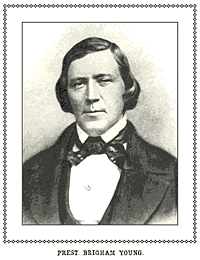
The historical document published herewith, is a photographic reproduction of the commission of Prest. Brigham Young as governor of the Territory of Utah, signed by Prest. Millard Fillmore and Secy. of State Daniel Webster. It bears the date of Sept. 28, 1850. The seal of the Nation, now faded and almost beyond deciphering, can be seen faintly outlined at the lower left hand corner. The original commission hangs in the Deseret Museuem. |
Vol. 49. Ogden, Utah, Tuesday, July 8, 1919. No. 162.
EARLY HOME OF HEAD OF
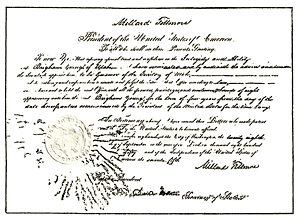
F. S. Kellogg, 506 Twenty-third street, has received one of his old-home papers, of Montrose, Pennsylvania, giving the following account of the burning of the home of Joseph Smith, the prophet. |
|
Vol. XXXI. Brigham City, Utah, Tuesday, June 30, 1925. No. 24.
TO MEMORY OF MARTIN HARRIS. Fifty years ago on Friday July 10, Martin Harris one of the three witnesses of the Book of Mormon, died at Clarkston, Cache County Utah. In honor of his memory the Church of Jesus Christ of Latter-day Saints has erected a beautiful marble shaft at that place, and on July 10th this year, this monument will be dedicated and appropriate services held in honor of the occasion. |
 Vol. 84. Salt Lake City, Utah, Saturday, July 15, 1933. No. ? Testimony of Thomas Godfrey On July 2, 1933, three men, residents of Clarkston, Cache Co., Utah: one 86 years old, and the others 79, and 77, all of whom had known Martin Harris, and had listened to him bear his testimony in regards to the Book of Mormon, appeared before a large congregation, and with Judge Jesse P. Rich of Logan as notary public, gave sworn affidavits to this effect. These men were Thomas Godfrey, 86; John E. Godfrey, 79, his brother; and John Buttars, 77. |
|
Vol. 84. Salt Lake City, Utah, Saturday, April 28, 1934. No. ?
APOSTLES OF THE
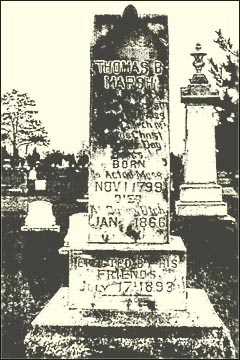
The name of Thomas B. Marsh is prominent in the early history of the Church. He was an early convert to its doctrines an early associate of the Prophet Joseph Smith; was chosen as on of the first apostles, and when that group assumed their positions he became the first president of that body. |
Vol. ? Salt Lake City, Utah, Saturday, August 31, 1935. No. ?
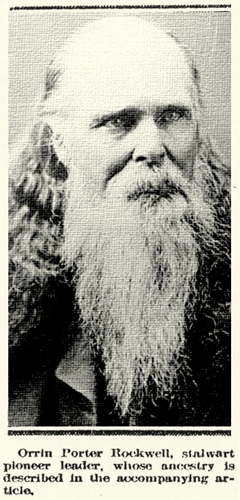
Ancestry of Orrin Porter Rockwell
It is a difficult task today to penetrate the veil obscuring the ancestral back-ground of the early founders of this Church. Unless families have well preserved records of these earlier generations, a great amount of searching must be done before success can be attained in finding the progenitors of these Church founders. |
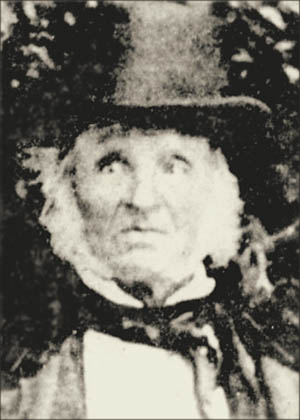
Vol. ? Salt Lake City, Utah, Saturday, July 18, 1936. No. ? Church Gets Rare Picture of Isaac Hale A rare original picture of Isaac Hale, the father-in-law of Joseph Smith, has been presented to the Church Historian's office by a descendant of the Hale family. The donor is L. E. Van Antwerp, 75-year-old resident of Oakland, Pennsylvania, who is a grandson of Isaac Hale's sister. |
Vol. ? Salt Lake City, Utah, Saturday, November 14, 1936. No. ?
Two Significant Statements Attached
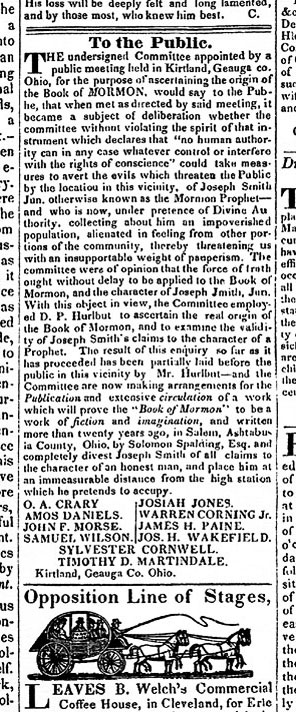
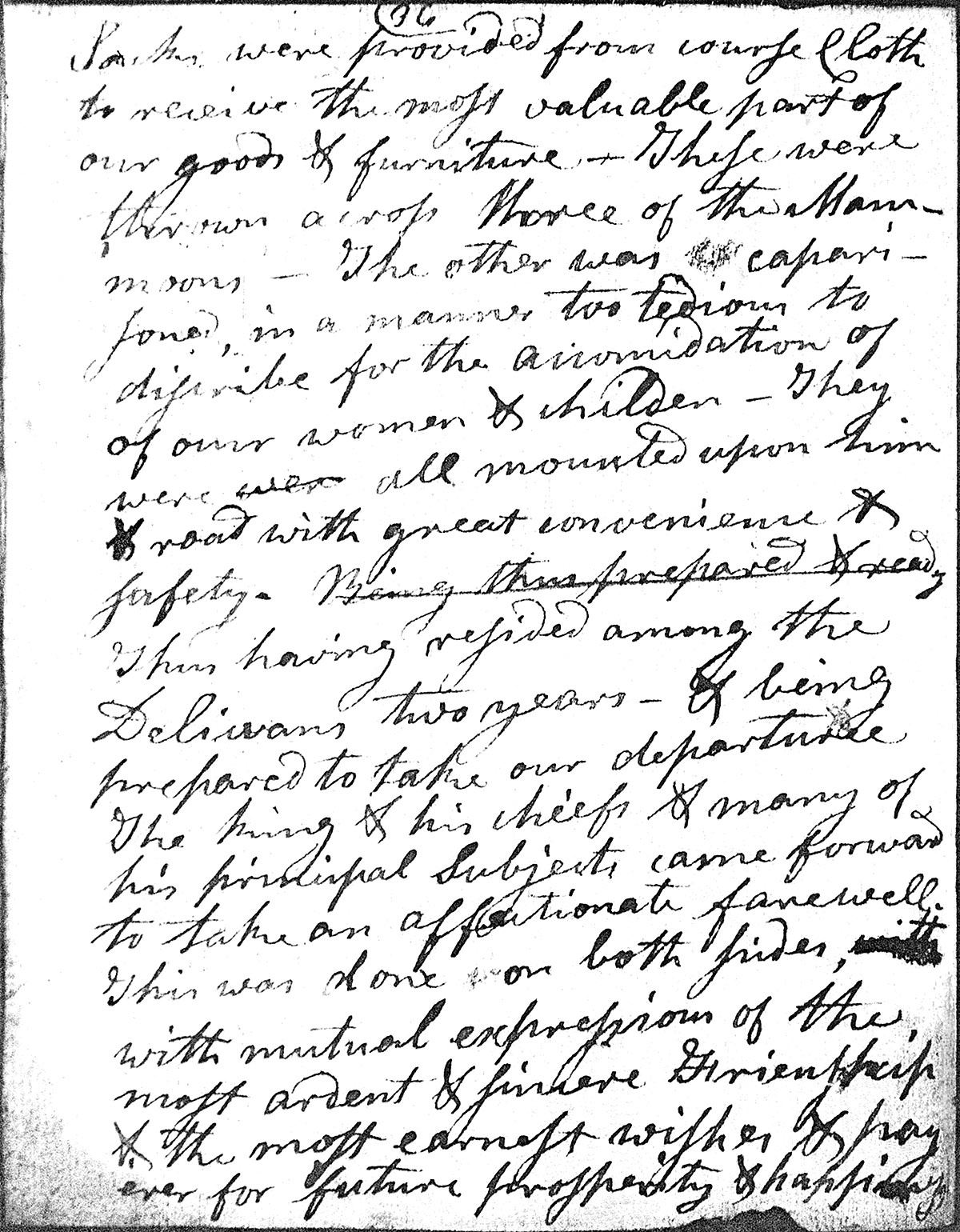
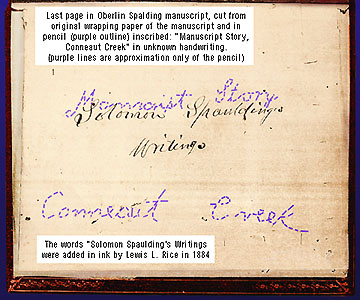
Recently the Church Historian's office acquired from the Oberlin College at Oberlin Ohio, a photostat copy of the famous Solomon Spaulding manuscript... |
Vol. ? Salt Lake City, Utah, Saturday, June 12, 1937. No. ?
A MEMORIAL TO OLIVER COWDERY The whole nation today pays tribute to its honored dead... It is altogether appropriate today that we who are assembled should pay tribute to Oliver Cowdery, because he is one of our honored dead, and he is, to a very real extent, a relative of many of us. |
Vol. 363. Salt Lake City, Utah, Wednesday, August 2, 1941. No. 29.
David Whitmer's Testimony
I was always deeply interested in the Book of Mormon, and had been on a mission to the Southern States before I entered the University of Michigan. During my three years' residence at the University, I learned that David Whitmer was still living and in good health. I concluded to visit him on the way home to Salt Lake City. I graduated the latter part of June, 1885, and arrived in Richmond, Missouri, early in July. |
Vol. 375. Salt Lake City, Utah, Saturday, July 8, 1944. No. 7.
Today's Story
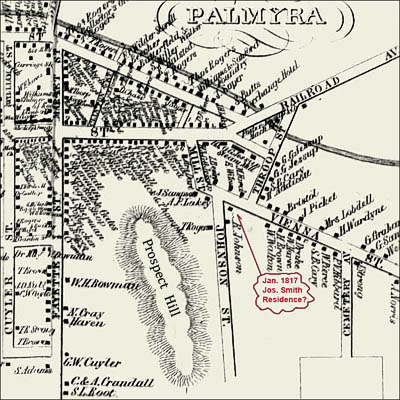
Little Joseph had a lame leg and he limped somewhat as he walked beside the wagon with the older children on the way to Palmyra. This condition was due to a gathering which had settled in his leg after the severe attack of tyhus fever. Mrs. Smith told the driver, Mr. Howard, that she thought little Joseph should be allowed to ride on the wagon with the smaller children and the household goods. But Mr. Howard, who was a gruff, uncongenial companion, insisted that the boy was old enough to walk. This matter finally provoked a controversy between them. |
|
Vol. 375. Salt Lake City, Utah, Saturday, July 29, 1944. No. ?
Today's Story
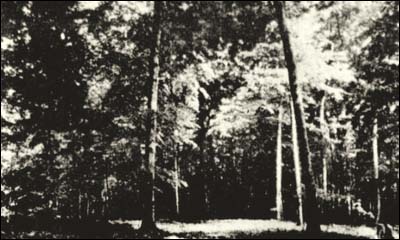
During the entire year of 1819 the members of the Smith family were busily engaged in improving their farm and supporting themselves by their own labor. They continued to clear their land; they planted sugar trees; they sold cordwood and garden vegetables; they manufactured baskets and birch brooms which they sold in the village. Occasionally Father Smith or Hyrum or Joseph would help a neighbor for a few days and bring in a little extra money. Alvin, it appears, had steady work as a carpenter's helper, and was employed in Palmyra or wherever construction work was going on in the countryside. The family considered that they were doing well; they had met the payments on their farm; they were making many improvements; the people of the neighborhood were kind to them and they were gaining many friends. |
Vol. 375. Salt Lake City, Utah, Thursday, December 21, 1944. No. ?
The Smith Family In New York
A Conference of the Church was held at the Whitmer home on the 26th of September, 1830. Prior to the time that the conference convened the Prophet Joseph received an important revelation which was directed to Oliver Cowdery. In this revelation OLiver was directed to carry the gospel to the American Indians, the Lamanites. |
Vol. 344. Salt Lake City, Utah, Saturday, October 26, 1946. No. 23.
The Book of Mormon and Joseph Smith
During the one hundred years since its publication, the Book of Mormon has had a wide distribution and great influence because of the doctrines it teaches... |
Vol. 326. Salt Lake City, Utah, Wednesday, March 16, 1949. No. 74.
Joseph Smith, Prophet of God
Dear Radio Friends: |
 Vol. 346. Salt Lake City, Utah, Saturday, July 7, 1956. No. 32.
CHURCH SECTION
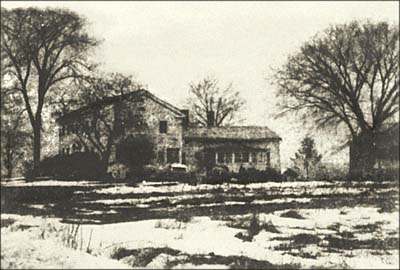
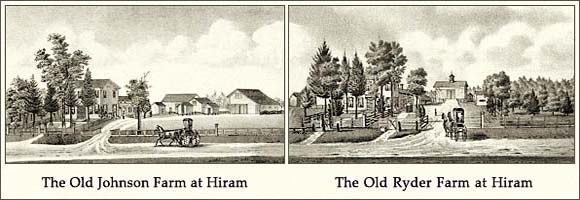
Another historic spot connected with early Church history was secured by the Church recently when the old John Johnson farm and home in Hiram, Ohio, was purchased by the Church Historic Sites Committee which includes Elder George Q. Morris, of the Council of the Twelve, chairman; Elder Adam S. Bennion, of the Council of the Twelve; Bishop Thorpe B. Isaacson, of the Presiding Bishopric and Elder Wilford Wood. |
Vol. 364. Salt Lake City, Utah, Saturday, September 11, 1965. No. 63.
Spotlight on
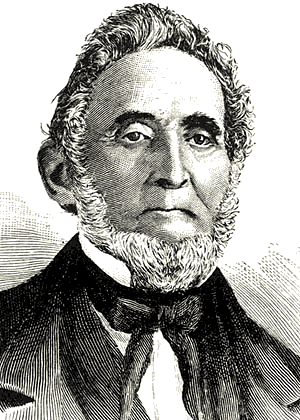
Some illuminating flashes of Church history appear in an extensive article entitled, "Sidney Rigdon and the Early History of the Mormon Church," published in July in the Friendship, N.Y., "Sesqui-Centennial Times." |
|
Vol. 128. Salt Lake City, Utah, Saturday, August 20, 1977. No. 58.
Church News
...Throughout his life, Joseph Smith gave but one explanation for the origin of the Book of Mormon: that he was directed by a divine messenger to an ancient record engraved upon gold plates buried in the hill not far from his Manchester, N.Y., home, and that he translated the writings thereon "by the gift and power of God." |
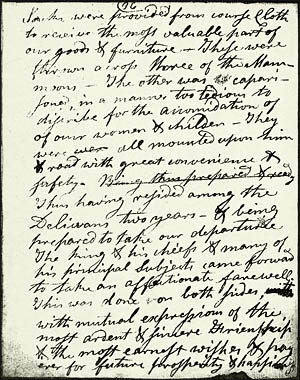
Vol. ? Salt Lake City, Utah, Sunday, May 12, 1985. No. ?
Joseph Smith letter of 1825
A letter from Joseph Smith to Josiah Stowell Sr., written in 1825, has been released by the First Presidency, along with two other letters written in 1843 that relate to the Stowells. |
Vol. ? Salt Lake City, Utah, Thursday, Oct. 16, 2008. No. ?
Joseph's Nightmare
Their adopted twin babies were sick with the measles, and the Prophet Joseph Smith and his wife, Emma, hadn't been able to get much rest. |
Vol. ? Salt Lake City, Utah, Thursday, January 22, 2009. No. ?
Church News
Provo -- Brent Ashworth found a long-lost notebook of one of the earliest and most controversial general authorities of the LDS Church. The rediscovery of what Ashworth believes is a notebook of William E. McLellin, an excommunicated Mormon apostle... |
|
Vol. ? Salt Lake City, Utah, Thursday, June 4, 2009. No. ?
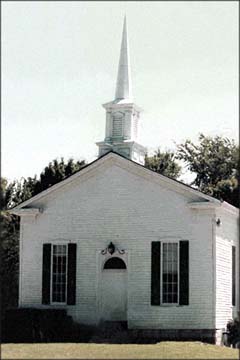
Portraits of the Past:
The attractive church seen in this image is the oldest house of worship of the Disciples of Christ, or Campbellite, tradition in Ohio. |
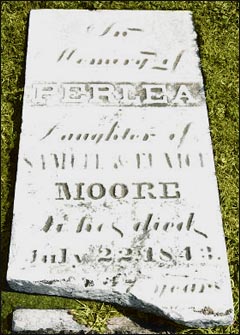
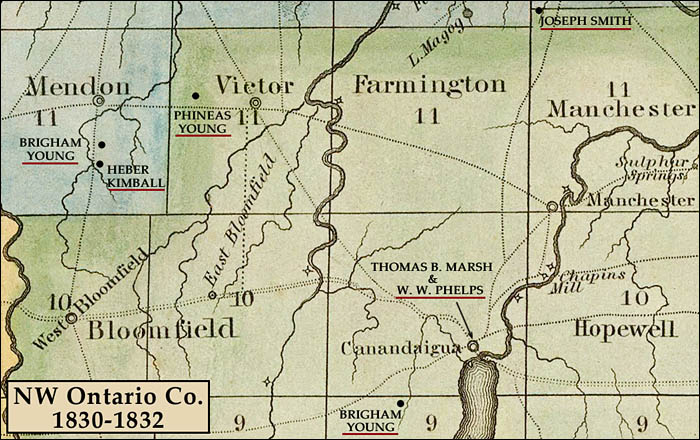
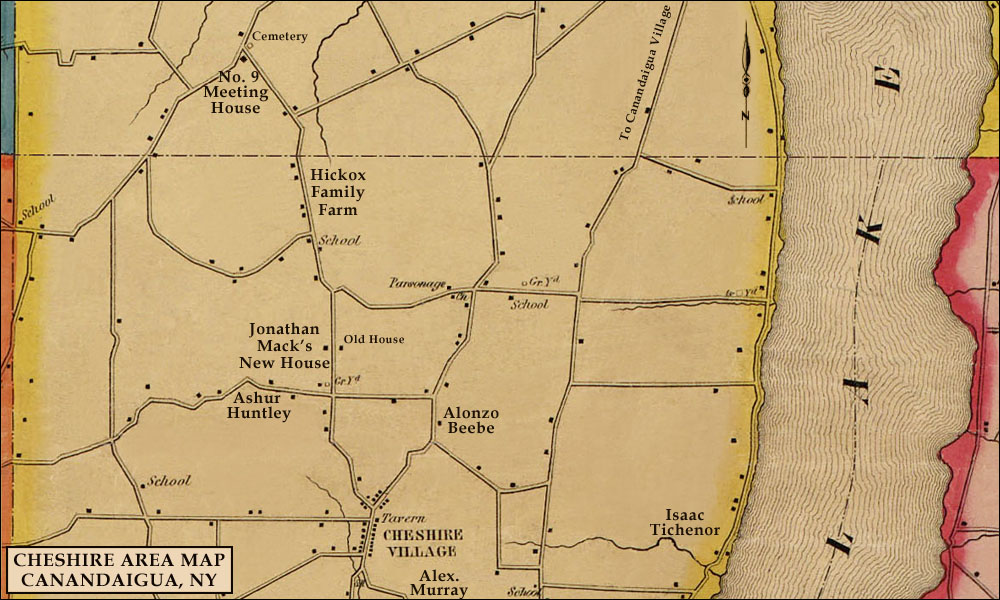
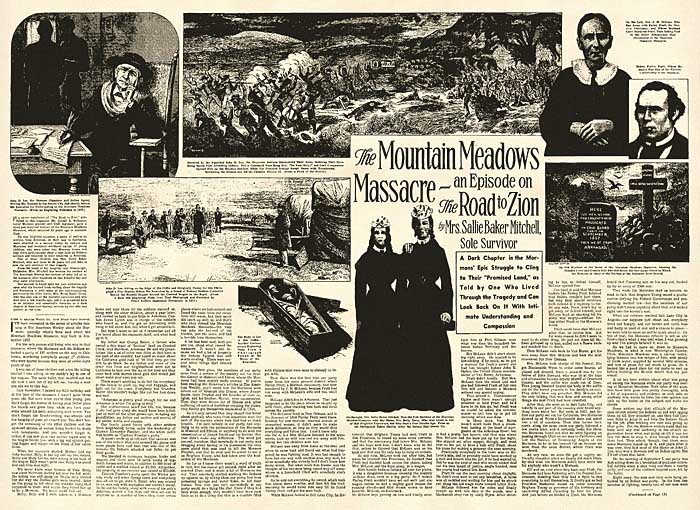
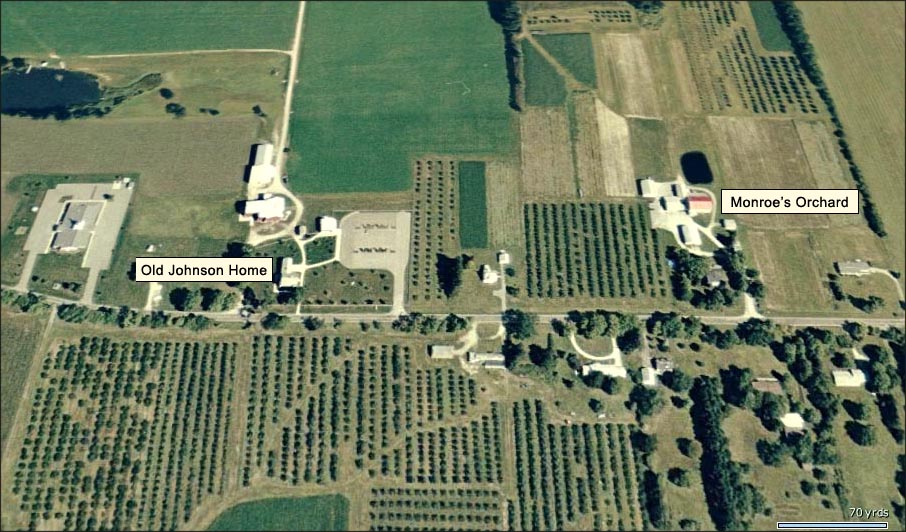
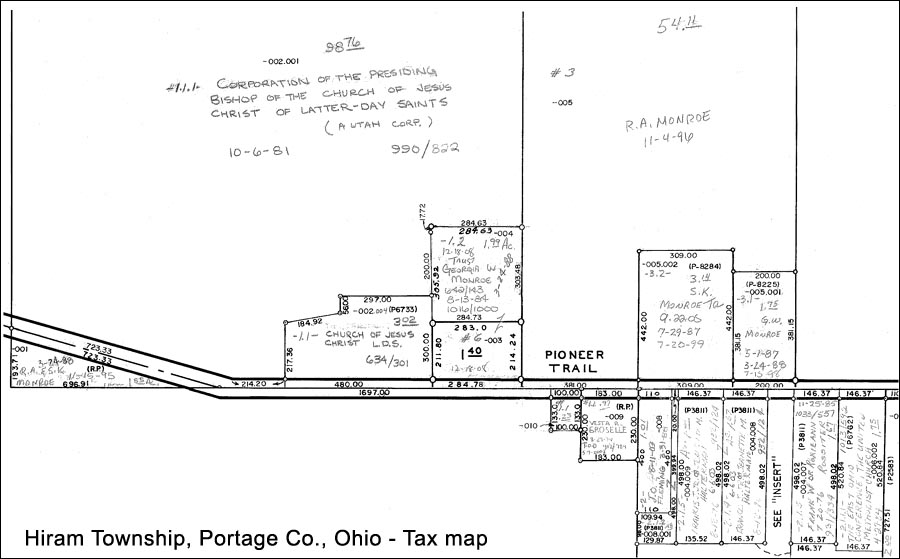
Vol. ? Salt Lake City, Utah, Wednesday, March 3, 2010. No. ?
Team Solving LDS Mysteries
PROVO -- The questions usually start simply enough.... |
Back to top of this page.
Articles Page | Articles Index | History Vault
Oliver's Bookshelf | Spalding Library | Mormon Classics
last updated: Dec. 23, 2013